When to Get Homeowners Insurance on a New Construction Home
We completely understand the stress that comes along with building your new home and the questions you may not have the answers for. A typical question we hear is: When is the best time to get homeowners insurance on a new construction home?


We completely understand the stress that comes along with building your new home and the questions you may not have the answers for. A typical question we hear is: When is the best time to get homeowners insurance on a new construction home? It’s often best to choose a home insurance provider before you close on your house and before construction fully starts. Granted, there is a lot more than meets the eye when it comes to home insurance. Luckily Sharp Homes is a luxury home building in Wichita with decades of experience dedicated to helping you find those answers.
Understanding Homeowners Insurance for New Construction
Overall, homeowners insurance covers a pretty broad range of damages. Some of the most common insurance coverages include:
- Fire
- Lightning
- Windstorms/hail
- Theft/vandalism
Homeowners insurance is incredibly important for new home construction because it guarantees your insurance provider will help pay for the cost of repairs, and other specifics covered in your plan. This can come in handy given Wichita’s harsh weather, tornados, hail and wind. Forbes estimates that homeowners pay an average of $4,200 on hail damage repairs. Ideally, your insurance provider would pay for a significant portion of those repairs if not all of it, saving you potentially thousands.
It’s also important to note the difference between homeowners insurance for new homes versus existing homes. For the most part, the biggest difference is timing. With new home construction your finances in case accidents or damages occur during the building process. Another important difference is the price. Home insurance for new home construction is often less expensive than older homes. According to Bankrate, a newer home’s insurance is about 30% less than a home built in 1959.
What is Builder’s Risk Insurance and Do I Need it?
Sometimes called “course of construction” insurance, builder’s risk insurance policies cover buildings and structures during the construction process. Typically, companies offer coverage on a range of accidents from storm damage to human error.
In most cases, counties or cities require builder’s risk insurance before construction even starts. However, since most home builders carry liability insurance, it’s usually not needed. Thankfully, Sharp Homes is a licensed and insured home builder. We help protect you and your investments with comprehensive liability insurance, giving you peace of mind while we build your forever home.
Homeowners Insurance is Almost Always Required Before Closing
More often than not, your mortgage lender will require that you have standard homeowners insurance before you close. This is primarily because your lending company wants the guarantee that if your home were to be damaged or destroyed their investment is covered by an insurance company that can follow through with payments.
Requirements like homeowners insurance is a standard practice fro almost every lending company. There may be exceptions to what you may need covered , depending on where you live. With that in mind, Sharp Homes recommends contacting a local Wichita-based insurance agent that can give you an accurate idea of what is covered and what you need before you sign the final papers.
Steps to Get Homeowners Insurance in Wichita
- Gather information from your contract or from the builder including:
- Address
- Square footage
- Construction materials
- Estimated value of the home
- Special features, fireplaces, pool, etc.
- Security systems
- Get quotes from reputable insurance companies and contact local agents for estimates. Shop around for different quotes, and compare the best and most reliable ones.
- Compare and choose a policy based on important factors like:
- Deductibles
- Coverage limits and options (dwelling, personal property, liability)
- Construction Endorsements for local risks
- Premiums (monthly or annual cost)
- Discounts on building materials
- Ask questions. Don’t hesitate to ask your agent about anything you don’t understand.
- Choose and provide proof of insurance to your lender. Make sure you have the necessary documents ready for your lender and don’t forget to make copies for your own records, just in case.
In Conclusion
Overall, it’s best to err on the side of caution and do your research on insurance companies and local laws. When it comes time to get insurance on a new build home, remember to reach out to your local insurance agent for policy questions and coverage. Building a home can be an exciting time for your and your family. Sharp homes is here to make that process as smooth and stress-free as possible. Contact us in Wichita today with your questions or concerns, we’re always happy to help.
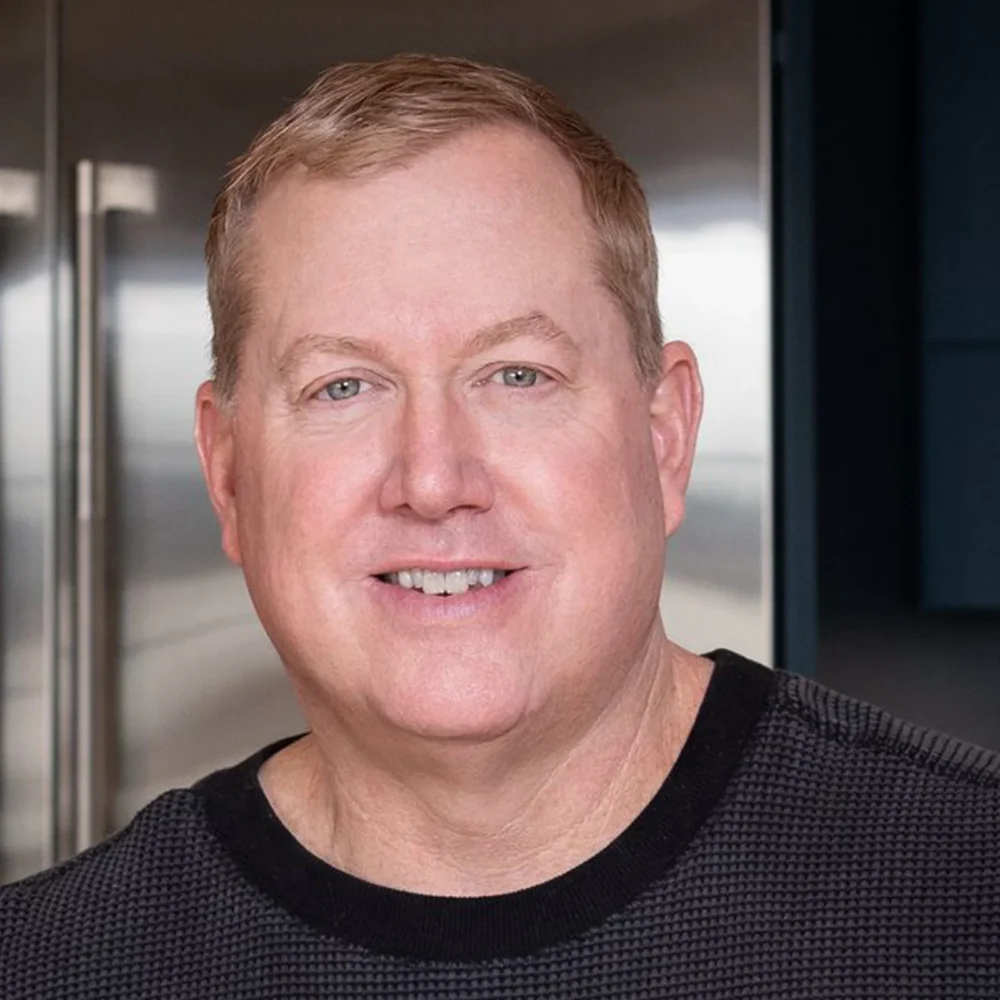
Craig Sharp is a third-generation Wichita home builder who owns Sharp Homes. He prices every build personally, meets each homeowner one-on-one once the numbers are real, and visits every job site. Since 1965 and over 1,000 homes, the Sharp family has built its reputation on in-house design, honest pricing, and craftsmanship across the Wichita area.